Why should water damage be addressed immediately?
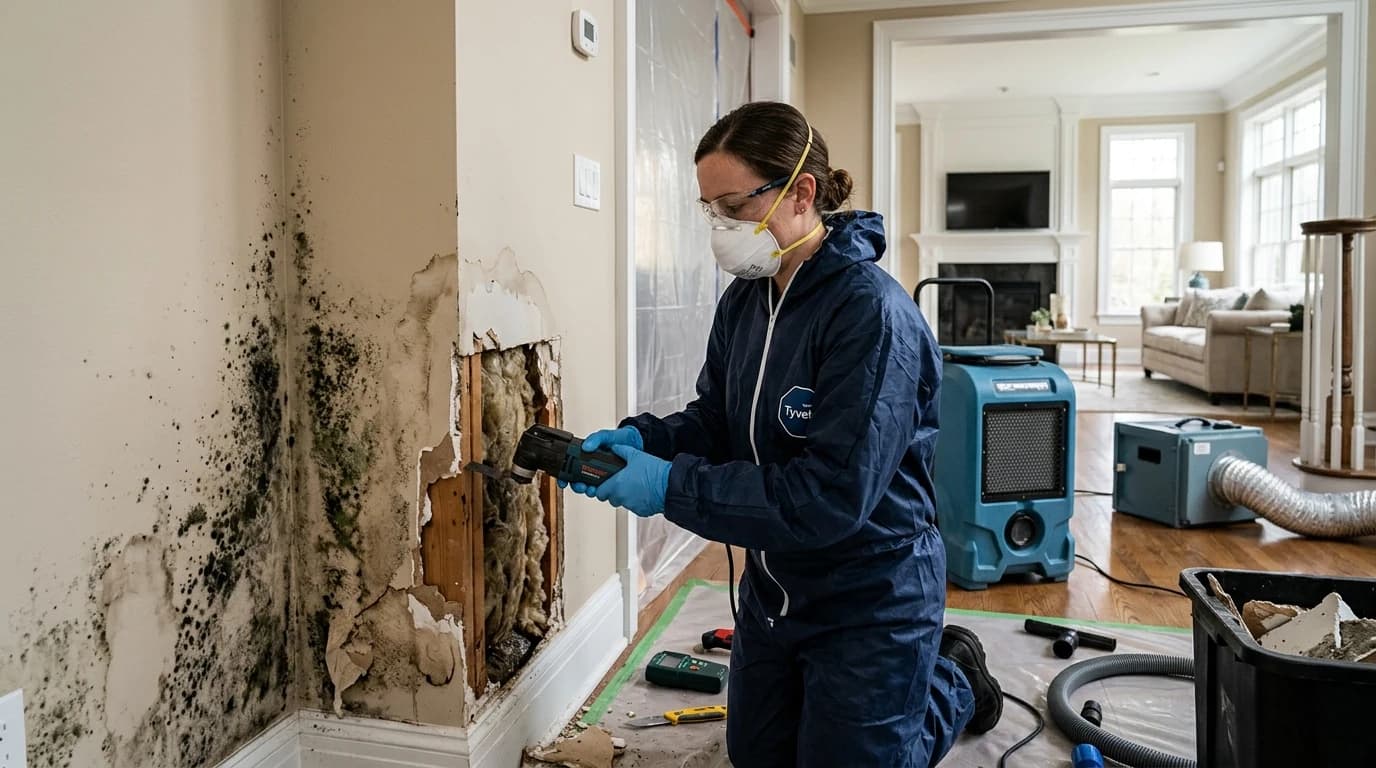
Ignoring water damage can lead to extensive and costly repairs down the line. When water infiltrates your home, it can seep into the foundational elements such as beams, floors, and walls, causing them to weaken over time. This weakening can result in structural issues, including sagging floors, warped walls, and even foundation cracks. These damages not only compromise the safety of your home but also make it less energy efficient, as compromised structures can lead to drafts and increased heating or cooling costs.
Moreover, water that remains untreated creates an ideal environment for mold growth. Mold can begin to grow within 24 to 48 hours of water exposure, quickly spreading to other areas of your home. Mold thrives in moist conditions and can penetrate deep into materials like drywall, wood, and carpeting, making it difficult to remove without professional intervention. Residents of Alpine and other areas prone to humidity should prioritize addressing any signs of water damage promptly to avoid these complications. Recognizing early signs such as discoloration, musty odors, or peeling paint can help in taking swift action against water damage.
Moreover, water that remains untreated creates an ideal environment for mold growth. Mold can begin to grow within 24 to 48 hours of water exposure, quickly spreading to other areas of your home. Mold thrives in moist conditions and can penetrate deep into materials like drywall, wood, and carpeting, making it difficult to remove without professional intervention. Residents of Alpine and other areas prone to humidity should prioritize addressing any signs of water damage promptly to avoid these complications. Recognizing early signs such as discoloration, musty odors, or peeling paint can help in taking swift action against water damage.
What are the health risks associated with untreated water damage?
Untreated water damage can create a breeding ground for mold, which can significantly impact health. Mold spores are microscopic and can easily become airborne, leading to respiratory issues, allergies, and other health problems, especially in children and individuals with pre-existing health conditions such as asthma. Symptoms of mold exposure can include coughing, sneezing, skin rashes, and in severe cases, chronic respiratory illnesses.
In addition to mold, standing water can attract pests such as insects and rodents. These pests are not just a nuisance but can carry diseases into your home. For example, mosquitoes breeding in stagnant water can increase the risk of diseases like West Nile virus, while rodents can bring hantavirus or salmonella. Addressing these issues as soon as they arise is crucial for maintaining a healthy living environment.
Furthermore, water damage can lead to the growth of bacteria and fungi, which can also contribute to health issues. It is important to ensure that any water damage is thoroughly dried and treated to prevent these health risks from escalating. For more information on how to protect your home and family, contact us through our contact page.
In addition to mold, standing water can attract pests such as insects and rodents. These pests are not just a nuisance but can carry diseases into your home. For example, mosquitoes breeding in stagnant water can increase the risk of diseases like West Nile virus, while rodents can bring hantavirus or salmonella. Addressing these issues as soon as they arise is crucial for maintaining a healthy living environment.
Furthermore, water damage can lead to the growth of bacteria and fungi, which can also contribute to health issues. It is important to ensure that any water damage is thoroughly dried and treated to prevent these health risks from escalating. For more information on how to protect your home and family, contact us through our contact page.
How can untreated water damage affect your property value?
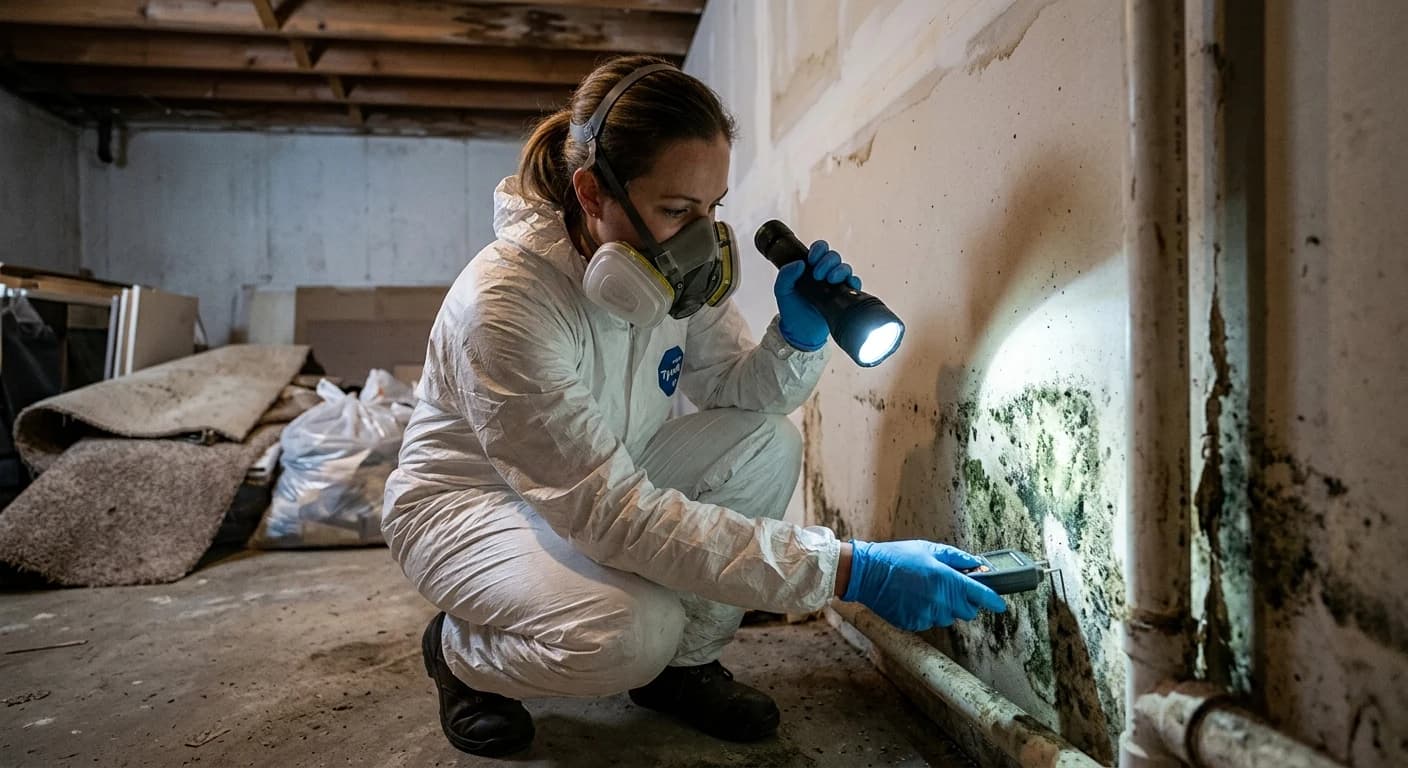
Leaving water damage untreated can significantly reduce your property's value. Potential buyers are often wary of homes that have had water damage issues, especially if they have not been properly resolved. Water damage can leave visible signs such as stains, warped floors, and peeling paint, which are clear indicators of underlying problems. These signs can deter buyers or result in lower offers, as they anticipate the cost and effort required to repair the damage.
Additionally, if water damage has led to mold growth or structural issues, the costs of remediation can be substantial. Buyers may require professional inspections and remediation before agreeing to purchase, which can delay the selling process. In some cases, homes with unresolved water damage may struggle to pass inspections, further complicating sales.
Regular maintenance and prompt restoration efforts are key to preserving your property's value. By addressing water damage swiftly, homeowners can prevent long-term damage, maintain the aesthetic appeal of their property, and ensure that their home remains a safe and desirable investment. In a competitive real estate market, a well-maintained home can stand out to potential buyers, securing better offers and a smoother transaction process.
Additionally, if water damage has led to mold growth or structural issues, the costs of remediation can be substantial. Buyers may require professional inspections and remediation before agreeing to purchase, which can delay the selling process. In some cases, homes with unresolved water damage may struggle to pass inspections, further complicating sales.
Regular maintenance and prompt restoration efforts are key to preserving your property's value. By addressing water damage swiftly, homeowners can prevent long-term damage, maintain the aesthetic appeal of their property, and ensure that their home remains a safe and desirable investment. In a competitive real estate market, a well-maintained home can stand out to potential buyers, securing better offers and a smoother transaction process.
Steps to Take Immediately After Discovering Water Damage
When you first discover water damage in your home, acting quickly is crucial to minimize the impact. Start by identifying and stopping the source of the water. This might involve shutting off the main water supply or fixing a broken pipe. Once the source is controlled, assess the extent of the damage. Take photographs for insurance purposes and document any damaged items or structural issues.
Next, begin the drying process. Use fans and dehumidifiers to remove moisture from the air and surfaces. Open windows and doors to increase ventilation, which helps speed up drying. If the water damage is extensive, consider hiring professional restoration services to ensure thorough drying and prevent mold growth.
Remove any wet materials such as carpets, rugs, and furniture from the affected area. These items can retain moisture and become breeding grounds for mold if not dried properly. If you suspect the presence of mold, it's best to call in professionals who can safely handle remediation. Remember, acting swiftly not only reduces the risk of further damage but also helps maintain a healthy living environment. Residents in areas like NJ, where humidity can exacerbate water damage, should be particularly vigilant in addressing these issues promptly.
Next, begin the drying process. Use fans and dehumidifiers to remove moisture from the air and surfaces. Open windows and doors to increase ventilation, which helps speed up drying. If the water damage is extensive, consider hiring professional restoration services to ensure thorough drying and prevent mold growth.
Remove any wet materials such as carpets, rugs, and furniture from the affected area. These items can retain moisture and become breeding grounds for mold if not dried properly. If you suspect the presence of mold, it's best to call in professionals who can safely handle remediation. Remember, acting swiftly not only reduces the risk of further damage but also helps maintain a healthy living environment. Residents in areas like NJ, where humidity can exacerbate water damage, should be particularly vigilant in addressing these issues promptly.
Preventative Measures to Avoid Future Water Damage
Preventing water damage begins with regular home maintenance. Start by inspecting your roof for missing or damaged shingles, which can allow water to seep in during heavy rain. Ensure gutters and downspouts are clear of debris to facilitate proper drainage away from your home. Regularly check for leaks in pipes, faucets, and around appliances like dishwashers and washing machines.
Installing a sump pump in your basement can help manage excess water and prevent flooding. It's also wise to invest in a water leak detection system, which can alert you to leaks before they cause significant damage. Consider sealing any cracks in your foundation and basement walls to prevent water infiltration.
Additionally, landscaping can play a role in water damage prevention. Ensure that the ground slopes away from your home to direct water flow away from the foundation. Planting trees and shrubs with deep root systems can help absorb excess water in the soil. By taking these proactive steps, homeowners can significantly reduce the risk of water damage and protect their property's value. Regular maintenance and vigilance are key to safeguarding your home against the costly effects of water intrusion.
Installing a sump pump in your basement can help manage excess water and prevent flooding. It's also wise to invest in a water leak detection system, which can alert you to leaks before they cause significant damage. Consider sealing any cracks in your foundation and basement walls to prevent water infiltration.
Additionally, landscaping can play a role in water damage prevention. Ensure that the ground slopes away from your home to direct water flow away from the foundation. Planting trees and shrubs with deep root systems can help absorb excess water in the soil. By taking these proactive steps, homeowners can significantly reduce the risk of water damage and protect their property's value. Regular maintenance and vigilance are key to safeguarding your home against the costly effects of water intrusion.
The Financial Implications of Ignoring Water Damage
Neglecting water damage can lead to significant financial burdens, often far exceeding the initial cost of repair. When water damage is left untreated, the resulting structural damage, mold growth, and pest infestations can lead to extensive repair bills. For instance, repairing structural elements such as beams or foundation cracks can be incredibly costly, often requiring specialized contractors and materials. Additionally, mold remediation is not only expensive but also time-consuming, as it involves thorough cleaning, removal of affected materials, and sometimes even reconstruction efforts.
Insurance companies may also be less willing to cover damages if they determine that the homeowner neglected routine maintenance or failed to address water issues promptly. This can result in out-of-pocket expenses that could have been avoided with timely intervention. Moreover, water damage can increase utility bills, as compromised insulation and structural integrity can lead to inefficiencies in heating and cooling systems.
For homeowners in areas prone to heavy rainfall or flooding, such as certain parts of NJ, the financial implications of ignoring water damage can be particularly severe. Taking proactive measures to address water damage not only helps in maintaining a safe living environment but also protects your financial investment in your property. By acting swiftly, homeowners can avoid the escalating costs associated with untreated water damage.
Insurance companies may also be less willing to cover damages if they determine that the homeowner neglected routine maintenance or failed to address water issues promptly. This can result in out-of-pocket expenses that could have been avoided with timely intervention. Moreover, water damage can increase utility bills, as compromised insulation and structural integrity can lead to inefficiencies in heating and cooling systems.
For homeowners in areas prone to heavy rainfall or flooding, such as certain parts of NJ, the financial implications of ignoring water damage can be particularly severe. Taking proactive measures to address water damage not only helps in maintaining a safe living environment but also protects your financial investment in your property. By acting swiftly, homeowners can avoid the escalating costs associated with untreated water damage.
Understanding the Long-term Effects of Water Damage
The long-term effects of untreated water damage extend beyond immediate repair needs, affecting the overall longevity and safety of your home. Over time, persistent water exposure can lead to the deterioration of building materials, including wood rot and rusting of metal components. This gradual decay can weaken the structural integrity of your home, posing safety risks to its occupants.
In addition to structural concerns, prolonged exposure to moisture can lead to the degradation of electrical systems. Water can corrode wiring and components, increasing the risk of electrical fires and system failures. This not only poses a danger to residents but can also result in costly repairs and replacements of electrical systems.
Furthermore, the aesthetic appeal of your home can suffer as a result of untreated water damage. Stains, peeling paint, and warped flooring can become more pronounced over time, diminishing the visual appeal and comfort of your living space. These issues can also affect your home's marketability, making it less attractive to potential buyers and potentially lowering its resale value.
Addressing water damage promptly is essential to mitigate these long-term effects. Regular inspections and maintenance can help identify issues early, allowing for timely repairs that preserve your home's structural integrity and aesthetic value. By understanding and addressing the long-term effects of water damage, homeowners can ensure a safe, comfortable, and valuable living environment.
In addition to structural concerns, prolonged exposure to moisture can lead to the degradation of electrical systems. Water can corrode wiring and components, increasing the risk of electrical fires and system failures. This not only poses a danger to residents but can also result in costly repairs and replacements of electrical systems.
Furthermore, the aesthetic appeal of your home can suffer as a result of untreated water damage. Stains, peeling paint, and warped flooring can become more pronounced over time, diminishing the visual appeal and comfort of your living space. These issues can also affect your home's marketability, making it less attractive to potential buyers and potentially lowering its resale value.
Addressing water damage promptly is essential to mitigate these long-term effects. Regular inspections and maintenance can help identify issues early, allowing for timely repairs that preserve your home's structural integrity and aesthetic value. By understanding and addressing the long-term effects of water damage, homeowners can ensure a safe, comfortable, and valuable living environment.